

Insights & field notes.
Practical lessons from the reform programmes, platforms and market work we deliver with our partners.
Notes from the work
Short pieces on what actually moved the needle, and what did not.
What a decade of power sector reform actually taught us
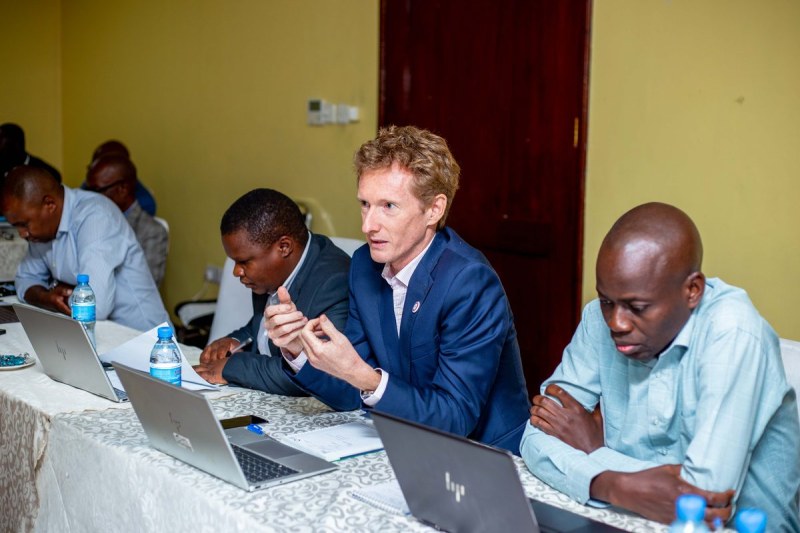
Reviewing and updating the Electricity Supply Industry Reform Strategy Roadmap meant taking honest stock of what a decade of reform delivered and what it did not. The technical pathways are well understood. The harder questions are sequencing, the operational and financial sustainability of TANESCO, and whether the institutions asked to deliver reform have the mandate and capacity to do it. Our recommendations focused less on new ambition and more on making the existing ambition deliverable.

Monitoring frameworks that change decisions, not just fill reports
Most monitoring systems collect what is easy to count. Building the Energy Sector Monitoring and Evaluation Framework taught us to start from the decision a manager needs to make, then work backwards to the indicator. The manual separates tools by the nature of the institution, an agency, a regulator, a parastatal, because a single template applied across all of them measures nothing well.

Why water policy succeeds or fails at district level
Assessing implementation of the National Water Policy showed a familiar pattern: the policy was sound, but the gap between national intent and district delivery was where outcomes were won or lost. Capacity, budget timing and data flow at district level explained more of the variation than any provision in the policy itself.
Building a learning hub inside a national agency
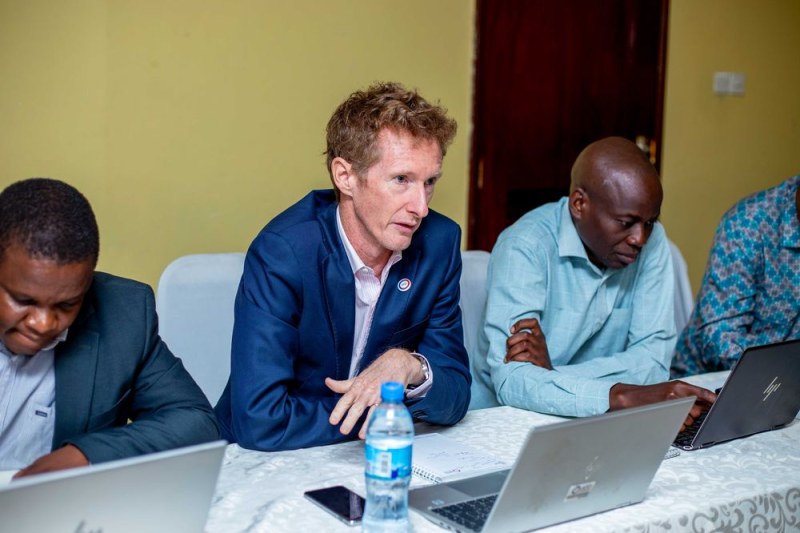
Working with RUWASA on the Learning Hub Model, the aim was never to hand over a report. It was to design, test and embed tools the agency would keep using, and to build training from real case studies rather than theory. Reform sticks when the institution can run it without the consultant in the room.

Electric buses and the honest economics of clean mobility
Introducing electric mobility into Dar es Salaam's rapid transit through SOLUTIONSplus is as much a financing and operations question as an engineering one. Vehicle cost is the visible number. Charging infrastructure, depot logistics, driver training and tariff design are where the business case is actually decided.

Digital platforms only work when the data flows
Kamata Fursa and WEZESHAsasa both started from the same insight: the constraint in agriculture value chains and in early-stage finance was rarely the technology. It was the absence of trusted, current information moving between actors who had no reason to share it. Build the incentive to share and the platform becomes useful.
Market entry lessons from sanitation and logistics
Two very different products, the affordable SATO toilet and a container guarantee replacing cash deposits in freight, ran into the same barrier. Both asked a customer to change a long-standing habit. In each case distribution partners and proof from early adopters moved the market faster than the product specification did.
Want our perspective on your challenge?
Tell us about the challenge in front of you. We read every message and reply with an honest view of where we can help and where we can’t.